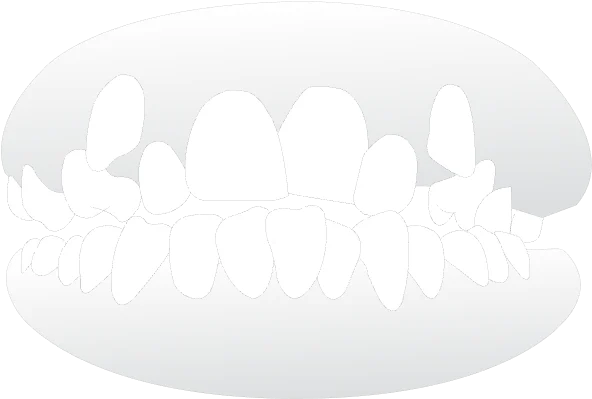
Plates and trainers for children in Yerevan
Removable appliances for children under 10–12: they guide jaw growth, make room for permanent teeth and teach the tongue and lips to work correctly.
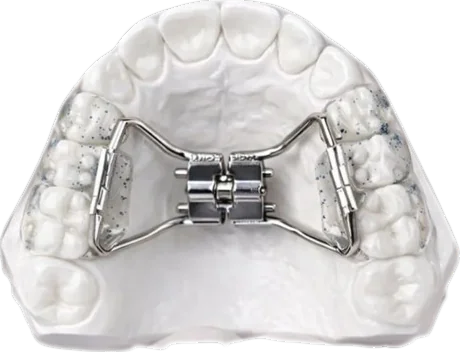
An orthodontic plate is a removable appliance made of safe plastic with metal clasps, screws and springs, custom-made from a digital model of the child's jaw. Plates are most often prescribed for children under 9–10, while the jaws are actively growing: they widen the upper jaw, reshape the palate, restrain or stimulate growth and correct the position of individual teeth. The plate is worn on a schedule — usually 12–16 hours a day, removed for meals and brushing; a course lasts roughly 1–1.5 years.
A trainer is a soft silicone appliance that removes the very cause of the malocclusion: it stops thumb sucking, turns mouth breathing into nasal breathing, positions the tongue correctly and trains the lip muscles. Trainers for children aged 2–5 normalise breathing and habits; for 5–10 they accompany tooth change. They are worn for 1–2 hours during the day and all night. Treatment is more effective combined with myofunctional exercises and a speech therapist.
Only a paediatric orthodontist chooses the appliance after diagnostics: plates and trainers are specific to different bite types, and buying one on your own can do harm. At iOrtho in Yerevan the child is scanned in two minutes without impressions, and parents immediately receive a clear plan and timeline.
Benefits
We guide growth
While the jaws are growing, a plate widens a narrow jaw and makes room for permanent teeth — no braces or extractions later.
We remove the cause
A trainer stops bad habits and restores nasal breathing and correct swallowing.
Comfortable for the child
The appliances are removable: the child goes without them at school and nursery, and the scan takes two minutes with no impressions.
Only by prescription
The paediatric orthodontist selects the appliance for the specific bite type and teaches the child and parents how to wear it.
Indications
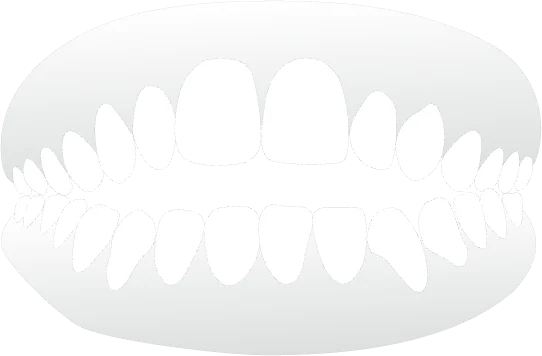
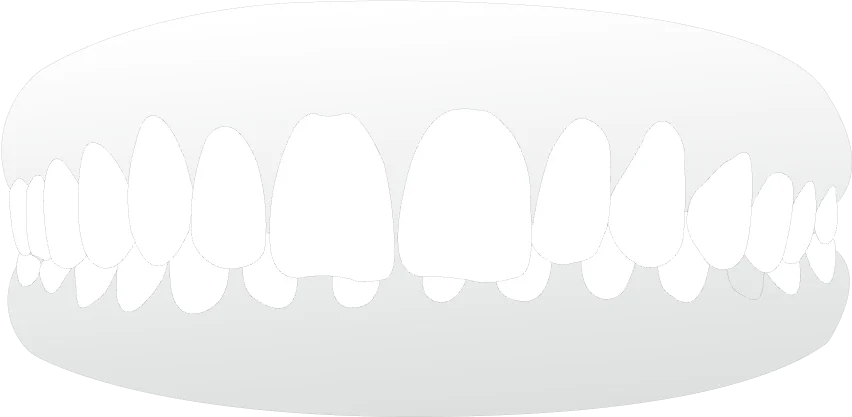
- A narrow upper jaw, not enough room for the permanent teeth
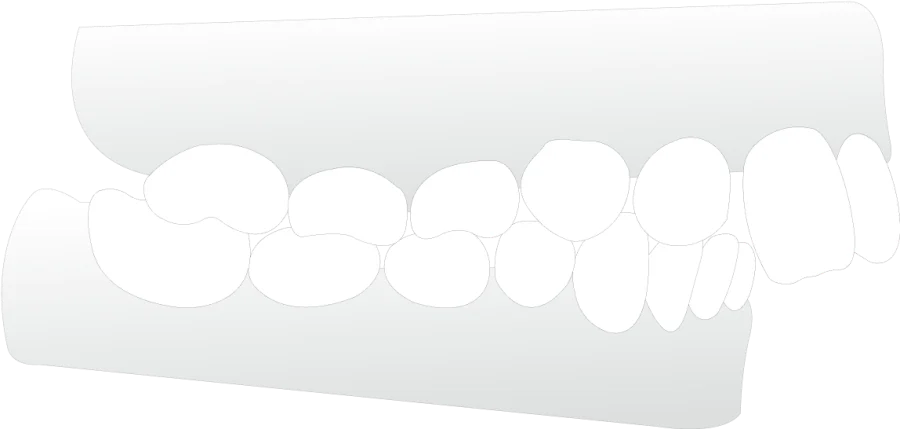
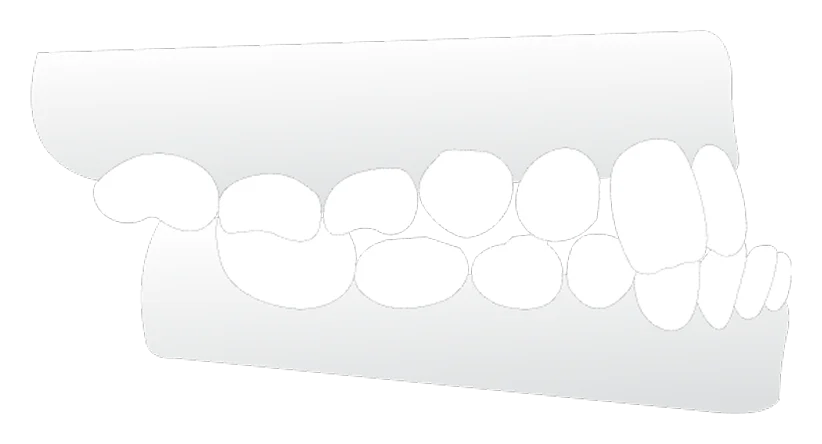
- Distal, mesial, open or cross bite during the mixed dentition
- Thumb or dummy sucking, lip biting
- Mouth breathing, snoring, infantile swallowing
- Speech defects needing an orthodontist and speech therapist
- Malpositioned lower incisors
Treatment stages
- 1.
Paediatric orthodontist consultation
A playful examination, assessment of the bite, breathing, swallowing and the child's habits.
- 2.
Scanning
A two-minute digital scan instead of impressions; an X-ray if needed.
- 3.
Making the appliance
The plate is custom-made in a laboratory in 10–14 days; the trainer is selected by size and purpose.
- 4.
Fitting and training
The doctor checks the fit, adjusts the appliance if needed and explains the wearing schedule and care to the child and parents.
- 5.
Follow-up
Every 6–8 weeks — a check-up and activation of the plate screw. The whole course — up to 12–18 months.
What's included
- Paediatric orthodontist consultation and scan
- A custom plate or a selected trainer
- Wearing and care training for the child and parents
- A set of myofunctional exercises
Prices
| Service | Price |
|---|---|
| Paediatric orthodontist consultation | On request |
| Orthodontic plate | On request |
| Trainer | On request |
Care rules
Wearing schedule
Plate — 12–16 hours a day; trainer — 1–2 hours in the daytime and all night. Skipping cancels the effect.
Cleaning the appliance
Rinse after every removal, clean with a soft brush, keep in a case. Cool water only — hot water deforms the trainer.
Remove for meals and sport
Take the appliance out before meals, brushing, active games and swimming.
No chewing
Do not chew or bite the trainer — it will lose its shape.
Questions and answers
From what age are plates fitted?
Most often at 6–9, during tooth change. Trainers for breathing and habits are prescribed from 2–5 after an ENT consultation.
Can I buy a trainer myself?
We advise against it. Trainers differ in stiffness, size and bite type, and are contraindicated in some conditions. An orthodontist must prescribe the appliance after an examination.
How long is a plate worn?
Roughly 12–18 months with check-ups every 6–8 weeks. The exact time depends on the task and the child's growth.
Will braces be needed later?
Not always. Early correction often removes the need for braces or makes the second stage of treatment at 12–14 much simpler and shorter.
Book a consultation
Related services
Distal bite correction in Yerevan
When the upper teeth protrude
Distal bite correction in YerevanMesial bite correction in Yerevan
When the lower jaw protrudes
Mesial bite correction in YerevanOpen bite correction in Yerevan
When the teeth do not meet
Open bite correction in YerevanDeep bite correction in Yerevan
When the upper teeth overlap the lower ones too much
Deep bite correction in YerevanCrowded teeth correction in Yerevan
When there is not enough room for the teeth
Crowded teeth correction in Yerevan