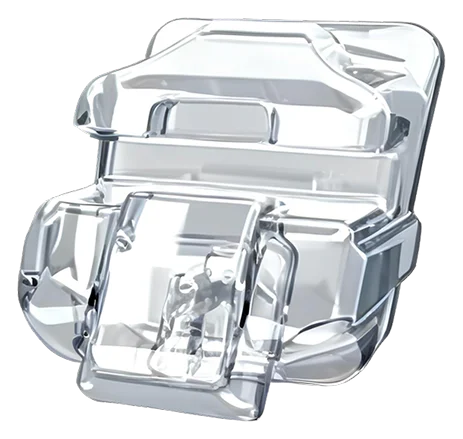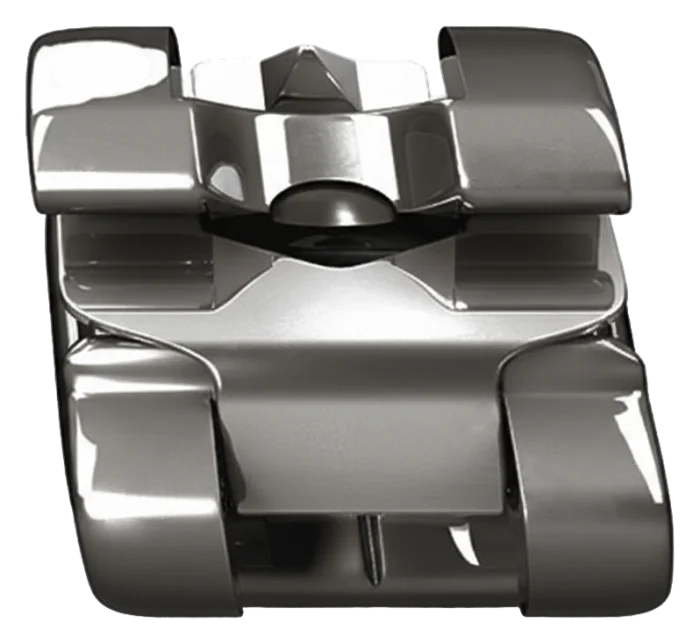
Braces for children in Yerevan
Braces are fitted once the milk teeth have been replaced — usually from 11–12. While the jaws are still growing, teeth move more easily and treatment is faster than in adults.
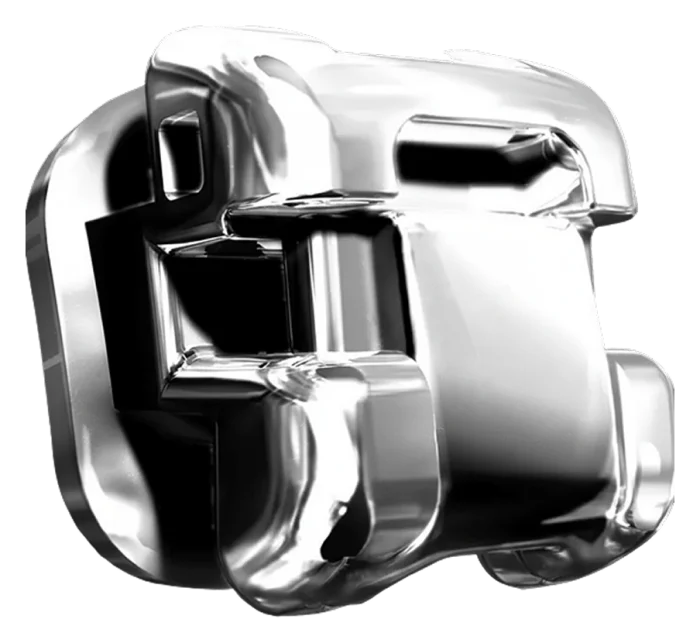
Braces for children are a fixed system fitted once most permanent teeth have erupted. The earlier a problem is found, the higher the chance of a complete result: braces fitted in time correct the dental arch and keep the effect for life. Biologically the best age is 12–17: the jaws are still growing, so the doctor can influence not only tooth position but also the shape of the arches.
Braces are not fitted while milk teeth remain — at that age plates, trainers and children's aligners do the work. The orthodontist also checks that the enamel is ready to carry an appliance, so that it is not weakened by fitting too early.
Modern braces are safe and hardly bother a child: slight pressure is felt only in the first week, and ceramic options are discreet among peers. Children usually wear braces for 1–2 years, always followed by a retention period — the jaw keeps growing, and without a retainer the result may deteriorate.
Benefits
Working with growth
In teenagers bone renews quickly: teeth move more easily and treatment takes less time than in adults.
Safe materials
We choose the system for the child — including hypoallergenic options for metal sensitivity.
No embarrassment
Compact and ceramic braces are discreet, and coloured ligatures can be chosen to the child's taste.
A lifelong result
A correct bite in childhood protects against joint problems, tooth wear and gum disease later on.
Indications
- Bite problems of any type once the milk teeth have changed
- A large gap between the front teeth
- Crowding that hinders normal growth and cleaning of the teeth
- Disproportionate development of one or both jaws
- One or several crooked teeth
Treatment stages
- 1.
Paediatric orthodontist consultation
A playful examination, assessment of the bite, breathing and habits, a two-minute scan with no impressions.
- 2.
X-ray and plan
A jaw X-ray shows the permanent tooth buds and wisdom teeth. Parents receive a clear plan and timeline.
- 3.
Preparation
Treating caries and a professional cleaning — mandatory before fitting.
- 4.
Fitting the braces
In one visit: cleaning the enamel, bonding the brackets, placing the wire. The doctor shows the child and parents how to brush and what to eat.
- 5.
Adjustments
Visits every 4–6 weeks to change wires and check hygiene.
- 6.
Removal and retainers
After 1–2 years the braces come off, the teeth are polished and a retainer is fitted — it holds the result while the jaw is still growing.
What's included
- A brace system for the teenager — metal or ceramic
- Bonding and hygiene training
- Removal and enamel polishing
Prices
| Service | Price |
|---|---|
| Paediatric orthodontist consultation | On request |
| Braces for children and teenagers | On request |
| Scheduled visit (system activation) | On request |
Care rules
Brush and interdental brushes
An orthodontic brush, interdental brushes and mouthwash after meals. In the first weeks parents should supervise brushing.
Food
No nuts, crackers, hard candy or gum; apples and carrots in pieces. Limit sugary fizzy drinks.
Sport
A mouthguard for contact sports.
Discomfort
If something rubs or comes off, book an appointment — do not wait for the scheduled visit.
Questions and answers
From what age can children have braces?
Usually from 11–12, once most permanent teeth have erupted. Before that, plates, trainers and children's aligners are used. We recommend a first orthodontic check-up at 6–7.
How long does a child wear braces?
Usually 1–2 years. Then a retention period with a retainer, most often up to 2 years, because the jaw keeps growing.
Are braces painful for a child?
Slight pressure is felt in the first week and after wire changes, then the child stops noticing the braces. Orthodontic wax helps with any irritation.
Is there an alternative to braces for a child?
Yes. Children's aligners suit removable, discreet treatment from 6–7; plates and trainers guide jaw growth. The doctor will tell you what suits your child at the consultation.
Book a consultation
Related services
Metal braces in Yerevan
The classic choice: strong, effective, affordable
Metal braces in YerevanCeramic braces in Yerevan
An aesthetic solution matched to your enamel
Ceramic braces in YerevanSelf-ligating braces in Yerevan
New-generation ligature-free systems
Self-ligating braces in YerevanDamon Q braces in Yerevan
A modern approach to a straight smile
Damon Q braces in YerevanDamon Clear braces in Yerevan
A new level of aesthetics and comfort
Damon Clear braces in Yerevan