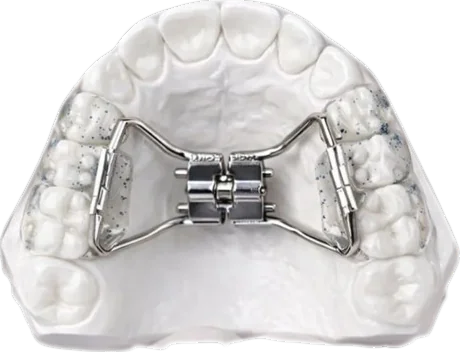
Distal bite correction in Yerevan
A distal bite is the most common anomaly: the upper teeth overlap the lower ones more than normal and the chin recedes. We correct it with aligners and braces at any age.
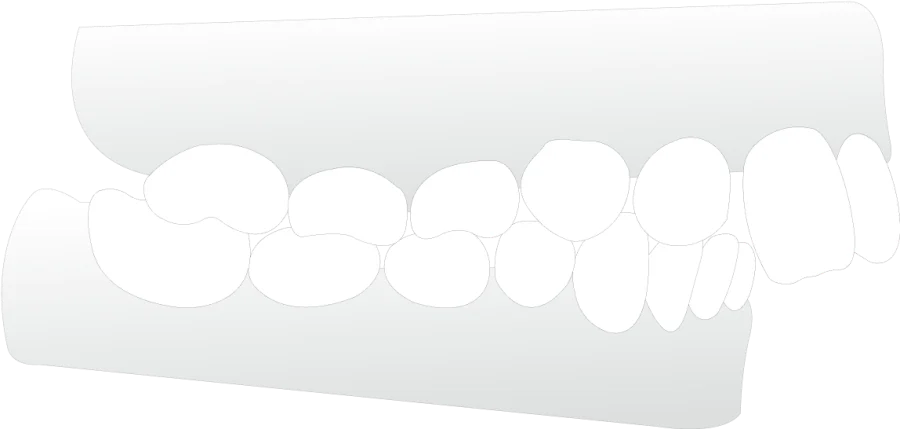
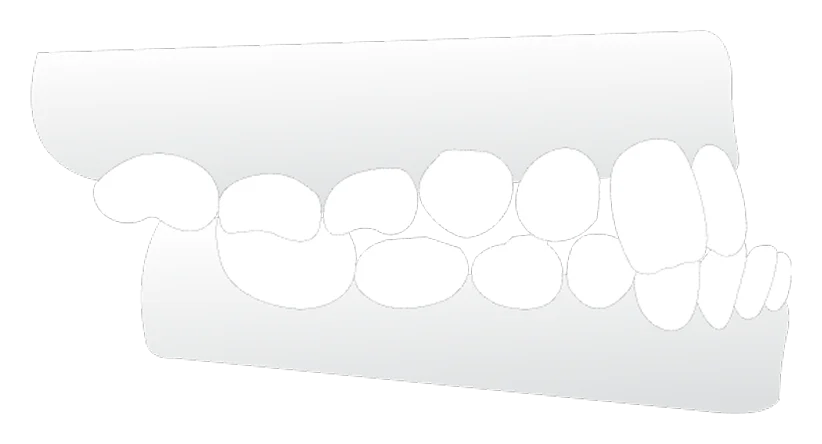
A distal bite is an anomaly in which the upper teeth protrude and overlap the lower ones more than normal. Most often the upper jaw is normally developed while the lower jaw is underdeveloped and set back. Outwardly it shows as a convex profile, a receding chin, a short upper lip and a slightly open mouth.
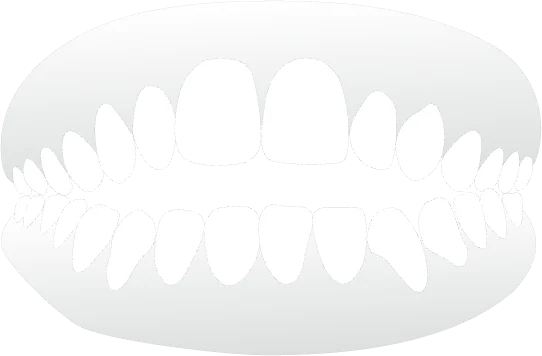
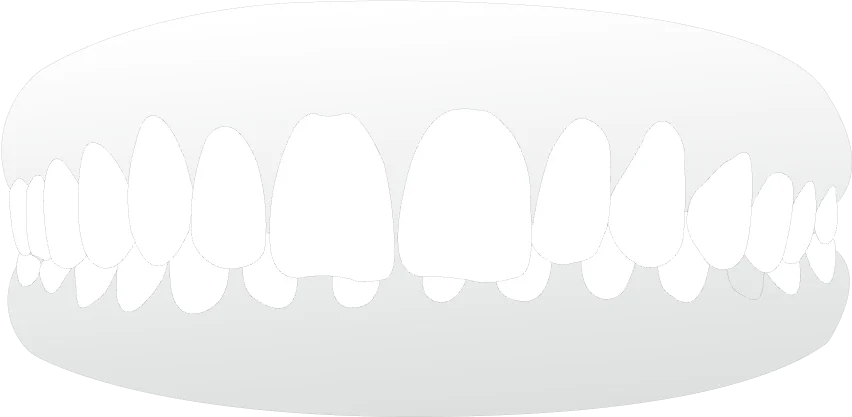
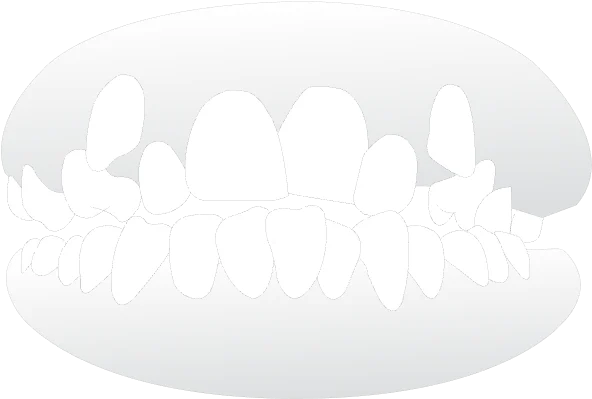
The anomaly forms in childhood: bottle feeding, prolonged dummy or thumb sucking, mouth breathing with adenoids and frequent colds, heredity and injuries slow the growth of the lower jaw. There are two types: with the upper incisors tilted forward and a horizontal gap between the arches, and with the incisors tilted inward towards the palate.
Untreated, a distal bite leads to overloading and wear of the front teeth, gum disease, impaired chewing and speech, and temporomandibular joint dysfunction. At iOrtho in Yerevan we correct a distal bite with aligners and braces; in children we guide jaw growth with removable appliances.
Benefits
Scanner diagnostics
3D scanning, X-rays and a photo protocol reveal the type of anomaly and let us predict how the profile will change.
Discreetly with aligners
Clear trays correct a distal bite without wires or brackets; you see your future smile on screen before treatment starts.
At any age
In children we guide lower-jaw growth; in adults we move the teeth with aligners or braces.
More than aesthetics
Correction relieves the front teeth and joint, improves chewing, breathing and speech.
Indications
- The lower jaw is set back, the chin recedes
- A horizontal gap between the upper and lower incisors
- Upper incisors tilted outward or inward towards the palate
- Marks of the upper teeth on the lower lip, mouth slightly open
- Difficulty biting, impaired speech
Treatment stages
- 1.
Consultation
Examination of the face and mouth, assessment of the profile, occlusion and joint function.
- 2.
Diagnostics
3D scan, panoramic and lateral X-rays, photo protocol. The doctor determines the type of distal bite and its causes.
- 3.
Treatment plan
Aligners or braces and, if needed, elastics to advance the lower jaw. With aligners you see the result in 3D before starting.
- 4.
Active treatment
12 to 24 months depending on complexity. Check-ups every 1–2 months with braces and every 2–4 months with aligners.
- 5.
Retention
A fixed retainer and night trays hold the teeth in their new position.
What's included
- Orthodontic examination and 3D scan
- Determining the type and causes of the distal bite
- A treatment plan with options: aligners or braces
Prices
| Service | Price |
|---|---|
| Orthodontist consultation | 30 000 ֏ |
| 3D scanning and digital diagnosticsIncluded in the all-inclusive treatment price | 3 500 ֏ |
| Invisalign — full course | 20 000 ֏ |
| Damon Q self-ligating braces (one arch) | On request |
Care rules
Elastics
With a distal bite, inter-jaw elastics are a key part of treatment. Wear them as instructed and change them daily.
Nasal breathing
If there is mouth breathing, adenoids or a deviated septum, an ENT consultation is needed, otherwise the result is unstable.
Retainers
Wear retainers for as long as prescribed: the retention period is twice the length of active treatment.
Questions and answers
Can a distal bite be corrected in an adult?
Yes. In adults we move the teeth with aligners or braces, often with elastics. Jaw growth is complete, so treatment takes longer than in teenagers, but the result is stable.
When should a child start treatment?
As soon as the orthodontist notices the signs — usually at 6–9. While the jaws are growing, removable appliances stimulate the lower jaw and braces can often be avoided later.
Do aligners work for a distal bite?
In most cases, yes. The plan is built in 3D, and elastics and special features on the trays advance the lower jaw. For a severe skeletal form the doctor will discuss a combined plan with you.
Book a consultation
Related services
Mesial bite correction in Yerevan
When the lower jaw protrudes
Mesial bite correction in YerevanOpen bite correction in Yerevan
When the teeth do not meet
Open bite correction in YerevanDeep bite correction in Yerevan
When the upper teeth overlap the lower ones too much
Deep bite correction in YerevanCrowded teeth correction in Yerevan
When there is not enough room for the teeth
Crowded teeth correction in YerevanPlates and trainers for children in Yerevan
Gentle bite correction while the jaws are growing
Plates and trainers for children in Yerevan