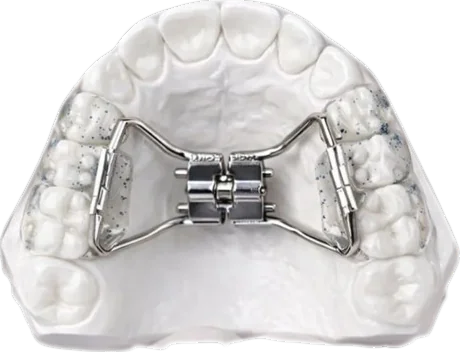
Mesial bite correction in Yerevan
We correct a mesial bite with clear aligners and braces. Experienced orthodontists, digital diagnostics and an individual plan.
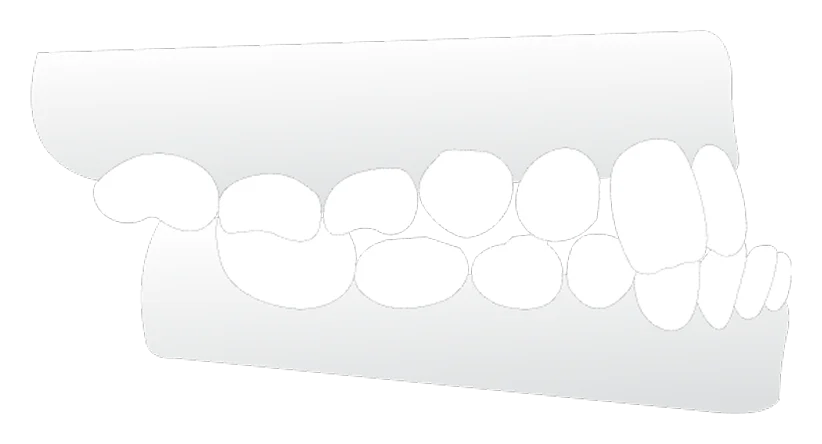
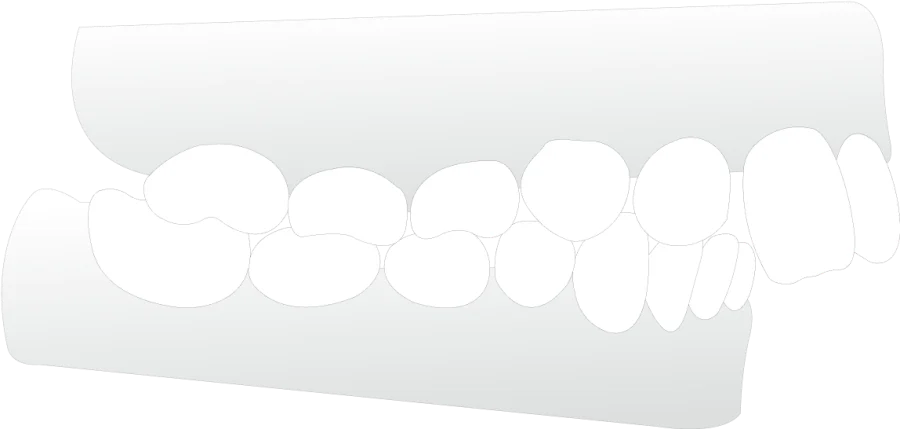
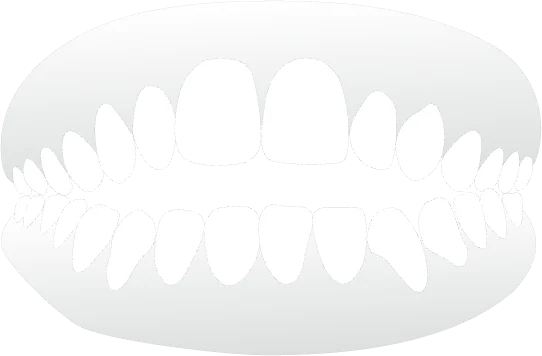
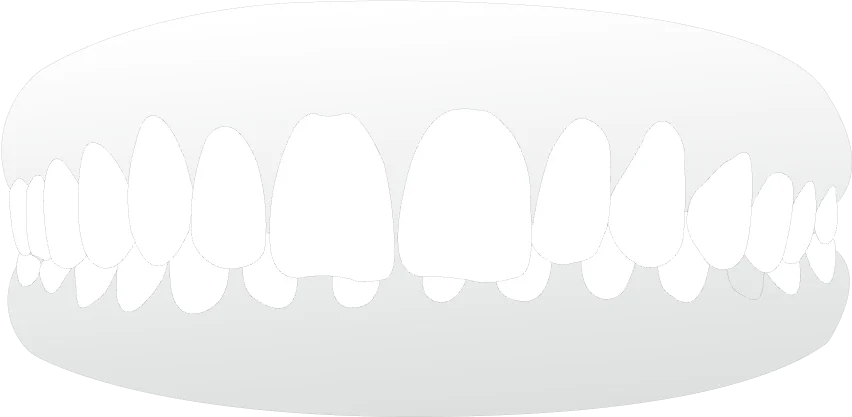
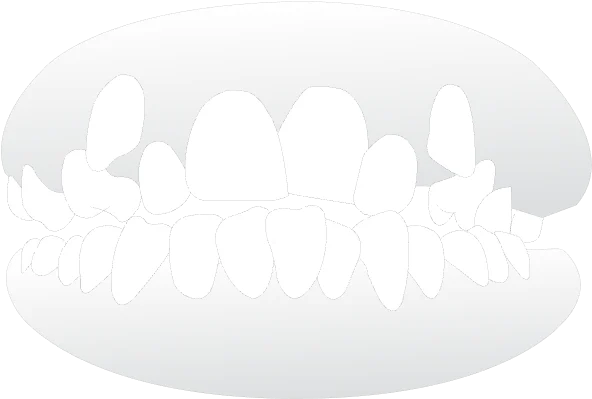
A mesial bite is a condition in which the lower jaw protrudes noticeably in front of the upper jaw. Normally the upper incisors overlap the lower ones; here the picture is reversed — the lower teeth overlap the upper. It is often combined with an underdeveloped upper jaw. Outwardly there is a heavy, prominent chin, a sunken upper lip and a concave profile.
Heredity plays the key role: a child may inherit a tendency to a large lower jaw and weak upper-jaw growth. Bad habits, mouth breathing with adenoids or a deviated septum and disrupted tooth eruption contribute; in adults, injuries and joint disease can cause it.
Untreated, a mesial bite disrupts chewing and speech, overloads the front teeth and gums and leads to clicking and pain in the joint. There is a dentoalveolar form, corrected with aligners, braces, trainers and plates, and a skeletal form, where appliances are combined with a maxillofacial surgeon's consultation. At iOrtho in Yerevan we identify the form by CT and choose a plan with no unnecessary procedures.
Benefits
Precise diagnosis of the form
CT and 3D scanning show whether the problem is in the teeth or the bones, and how many millimetres need to move.
The result is visible in advance
With aligners the doctor shows on screen how the teeth will move and the smile will change at every stage.
Early treatment for children
Myofunctional exercises, trainers and plates at 3–10 restrain lower-jaw growth and widen the upper jaw.
Nothing unnecessary
Surgery is discussed only for a pronounced skeletal form; in other cases appliances are enough.
Indications
- The lower teeth overlap the upper ones
- A heavy, prominent chin and concave profile
- A sunken upper lip, lips do not close properly
- Lisping, difficulty chewing
- Clicking and pain in the temporomandibular joint
Treatment stages
- 1.
Consultation
Examination of the face and mouth, identifying the causes, discussing a preliminary plan.
- 2.
Full diagnostics
3D CT of the jaws, digital scanning instead of impressions, photo protocol. The doctor builds a model and calculates the timeline.
- 3.
Active period
Aligners, braces, plates or trainers gradually move the teeth and change the jaw position. On average 1.5–2.5 years.
- 4.
Retention period
A fixed wire on the front teeth and clear trays at night. Retention lasts twice as long as active treatment.
What's included
- Orthodontic examination and CT diagnostics
- Identifying the form — dentoalveolar or skeletal
- A 3D model and plan with a timeline
Prices
| Service | Price |
|---|---|
| Orthodontist consultation | 30 000 ֏ |
| 3D scanning and digital diagnosticsIncluded in the all-inclusive treatment price | 3 500 ֏ |
| Invisalign — full course | 20 000 ֏ |
| Damon Q self-ligating braces (one arch) | On request |
Care rules
Wearing schedule
Children wear removable appliances 12–16 hours a day, aligners 20–22 hours. Skipping prolongs treatment.
Myofunctional exercises
Tongue and lip exercises boost the effect of the appliances — do them daily.
Breathing and posture
Treat ENT problems and watch head posture: the habit of pushing the head forward maintains the anomaly.
Questions and answers
Do adults with a mesial bite always need surgery?
No. Surgery is needed only for a pronounced skeletal form with a significant jaw mismatch. Mild and moderate dentoalveolar forms are corrected with aligners or braces.
Does a child have to wear plates all the time?
No, on a schedule — usually 12–16 hours a day, removing them for meals and brushing.
Braces or aligners for a mesial bite?
Both work for the dentoalveolar form. Braces are fixed and depend less on discipline; aligners are more comfortable and discreet. In the skeletal form aligners are more often used at the final stage. The exact choice comes after diagnostics.
Are appliances for a mesial bite painful?
Adaptation takes a few days. After wire activation or a tray change you may feel pressure — that is normal and passes quickly.
Book a consultation
Related services
Distal bite correction in Yerevan
When the upper teeth protrude
Distal bite correction in YerevanOpen bite correction in Yerevan
When the teeth do not meet
Open bite correction in YerevanDeep bite correction in Yerevan
When the upper teeth overlap the lower ones too much
Deep bite correction in YerevanCrowded teeth correction in Yerevan
When there is not enough room for the teeth
Crowded teeth correction in YerevanPlates and trainers for children in Yerevan
Gentle bite correction while the jaws are growing
Plates and trainers for children in Yerevan